How to Wash Smocked Clothing: The Ultimate Heirloom Care, Stain Removal, & Preservation Guide
The Anatomy of a Hand-Smocked Garment
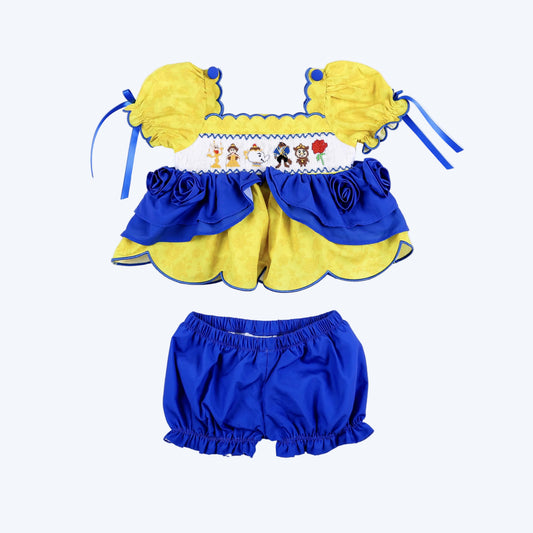
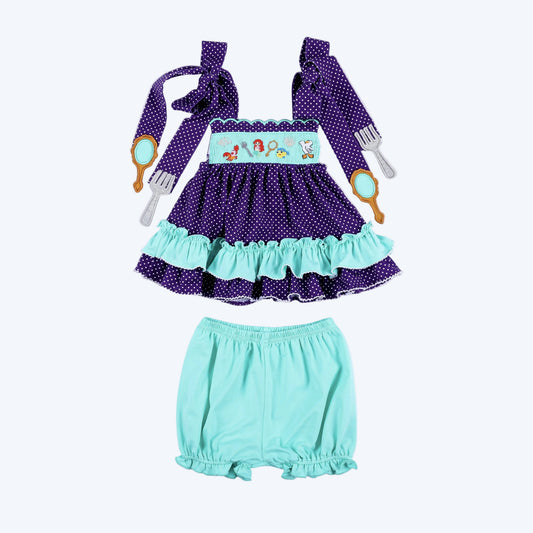
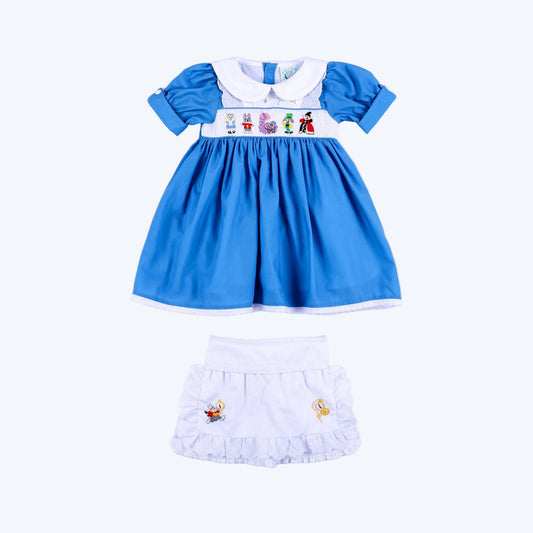
There is nothing quite like the nostalgic, breathtaking charm of a beautifully hand-smocked outfit. Whether it is a delicate bishop dress worn for a first birthday, a classic Jon Jon chosen for a family portrait, or an intricate bubble selected for a sunny Easter Sunday, these garments are much more than simple clothing. They are cherished heirloom investments, meticulously crafted to capture the fleeting, magical moments of childhood. As a boutique founder and textile preservationist, I know firsthand that many moms, grandmothers, and heirloom collectors are absolutely terrified of ruining these special pieces. The fear of bleeding embroidery floss, relaxing the crisp smocked pleats, or shrinking fine woven cottons is incredibly common. But knowing exactly how to care for hand smocked clothes does not have to be a source of stress.
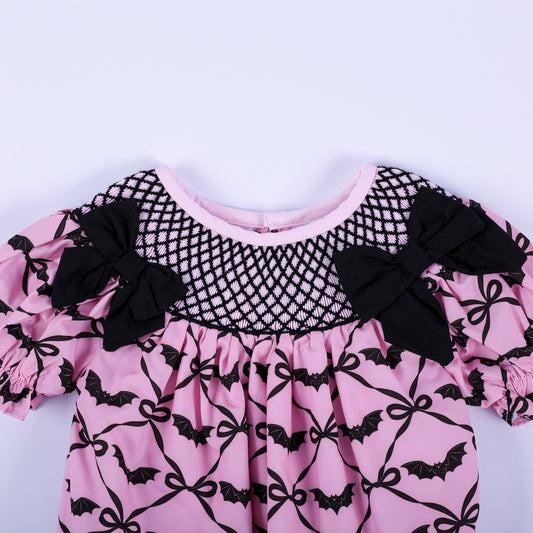
To properly care for these treasures, we must first understand the unique anatomy of a hand-smocked garment. Everyday playwear is largely machine-manufactured and designed to withstand aggressive agitation. Smocked garments, however, are a delicate balancing act of specialized textiles. They feature precise, pleated fabric tension across the chest plate, intricate geometric patterns stitched with delicate embroidery floss, and fine woven natural fibers such as 100% batiste cotton, breathable linen, classic gingham, or soft wale corduroy.
What actually damages these masterpieces? It is rarely the water itself. The true culprits that destroy smocking are harsh mechanical agitation that breaks the foundational gathering threads, aggressive chemical optical brighteners that strip and fade the dyed embroidery floss, and high heat that shrinks the woven batiste and degrades the structural tension of the pleats. By understanding these vulnerabilities, you can confidently master the art of washing bishop dresses and jon jons, ensuring they remain as pristine as the day you brought them home from Smocked Peacock.
The Gold Standard: How to Hand-Wash Smocked Clothing (Step-by-Step)
When it comes to preserving the integrity of intricate bullion roses, French knots, and delicate smocking, hand-washing will always be the gold standard. It is the gentlest, most controlled method to clean natural fibers without subjecting them to the harsh, unpredictable environment of a mechanical washing machine.
Step 1: Prep & Water Temperature
Always begin by preparing a clean basin, sink, or large bowl. Thoroughly wipe down your sink to ensure there is no leftover bleach, soap scum, or grease from household cleaning. Fill the basin with lukewarm to cool water. Never use hot water. High temperatures are the enemy of fine textiles; hot water can shock natural fibers, causing immediate, irreversible shrinkage in cotton batiste, and it can coax the dyes out of brightly colored embroidery floss, leading to devastating color bleeding across a crisp white collar.
Step 2: Choosing the Right Detergent
The chemistry of your soap matters immensely. You must select a gentle, enzyme-free, and dye-free formula. Harsh modern detergents are often packed with heavy enzymes, optical brighteners, and synthetic fragrances meant to strip grease from heavy synthetics—these will aggressively wear down fine embroidery threads. Opt for a mild baby detergent, a dedicated delicate wash, or a high-quality pH-neutral textile soap.
Pro Tip: Never use chlorine bleach or liquid fabric softeners on hand-smocked items. Bleach will permanently yellow organic cotton and disintegrate delicate threads, while fabric softeners leave a synthetic, waxy residue that flattens the crispness of the woven fabric and severely damages the garment's breathability.
Step 3: Submersion & Agitation Technique
Once your mild detergent is fully dissolved in the cool water, submerge the garment completely. Allow it to soak undisturbed for 10 to 15 minutes to loosen surface dirt. When you are ready to wash, do so by gently swirling the body of the garment through the water. Imagine you are moving it through a gentle current. Never scrub, rub, wring, or pull the pleated chest plate. The smocking relies on a highly specific tension created by the gathering threads behind the fabric. Aggressive pulling will snap these threads, causing the smocking to permanently relax and lose its beautiful, three-dimensional texture.
Step 4: The Towel Roll Trick
Extracting the water correctly is arguably the most crucial step in the entire laundering process. Because you cannot wring or twist the garment, you must utilize the "Towel Roll Trick."
- Lift the garment from the rinse water, gently pressing it against the side of the basin to squeeze out the heaviest water.
- Lay a clean, dry, white, and highly absorbent cotton bath towel flat on your counter.
- Place the damp garment flat on top of the towel, smoothing out the smocked chest plate so it lays naturally.
- Beginning at the bottom hem, roll the towel and the garment up together tightly, much like a jelly roll or a sleeping bag.
- Once rolled, firmly press down on the towel cylinder with your palms. The dry towel will aggressively wick the excess moisture out of the garment without placing any structural stress on the delicate smocking. Unroll and prepare for drying.
Can You Machine Wash Smocked Clothes? (The Safe Modern Protocol)
A frequent question we hear at Smocked Peacock is, "Can you wash smocked clothes in the washing machine?" The honest answer is yes—but only if you follow a very strict, non-negotiable modern protocol. While hand-washing is mandatory for highly intricate vintage pieces, garments with delicate silk ribbons, or garments displaying extreme signs of aging, modern high-quality smocked wear can survive the machine if you protect it properly.
The Non-Negotiable Machine Washing Rules:
- Turn it Inside-Out: Always turn the garment inside-out before it goes anywhere near the machine. This protects the delicate surface embroidery from catching on the machine's drum, zippers from other clothing, or the agitator.
- The Zippered Mesh Laundry Bag: This is mandatory, not optional. Place the inside-out garment into a structured, fine-mesh laundry bag (ensure the zipper is tucked under its protective elastic hood so it doesn't snag other items). This bag acts as a physical barrier, significantly reducing friction and minimizing the stretching forces of the spin cycle.
- Delicate/Hand-Wash Cycle Only: Select the absolute lowest agitation setting your machine offers.
- Cold Water Only: Just as with hand-washing, heat is the enemy. Ensure the wash and rinse cycles are strictly set to cold.
- Similar Colors & Weights Only: Never wash a delicate smocked batiste dress in the same load as heavy denim jeans, terrycloth towels, or items with exposed Velcro. The friction from heavy items will pill and destroy the fine cotton.
The Absolute Rule of Drying:
Under absolutely no circumstances should a smocked garment ever be placed in a machine dryer. The tumbling friction, combined with the extreme, baked-in heat, will melt any elasticity in the arms or legs, aggressively shrink the woven cotton, and severely frizzle the pristine embroidery thread, making it look aged and fuzzy. Always air dry.
Heirloom Stain Removal Guide (Tackling Common Baby & Toddler Stains)
Children are inherently messy, and a beloved outfit is bound to encounter spills. Knowing how to get stains out of heirloom baby clothes requires a strategic, chemical approach rather than aggressive scrubbing. Always spot-test any treatment on an inconspicuous inside hem first, and ideally, treat the stain from the back of the fabric to push the stain out, rather than rubbing it deeper into the fibers.
-
Milk, Formula, and Baby Spit-Up (Protein-Based Stains):
Protein stains can harden and yellow over time if not treated properly. Flush the area immediately with cold water (hot water will "cook" the protein into the fabric). Apply a gentle, dye-free dish soap or a mild baby stain remover directly to the spot. Gently tap the stain with a soft-bristled toothbrush to work the soap into the fibers without fraying them, then rinse thoroughly. -
Berry, Food, and Juice Stains (Tannin-Based Stains):
Tannins require quick action. Flush the stain from the back with cold water. For stubborn berry stains on white cotton (avoiding the colored embroidery), a very localized drop of white vinegar mixed with cool water can help break down the natural plant dyes. Rinse thoroughly and follow with a mild detergent wash. -
Diaper Leaks and Blowouts:
Remove any solid matter immediately. Soak the garment in a basin of cool water mixed with a scoop of gentle, color-safe oxygen bleach (never chlorine bleach) for 30 to 60 minutes. The oxygen bubbles will naturally lift the biological matter out of the woven cotton without fading the colored threads. -
Dirt, Clay, and Grass Stains:
These are combination stains (part particulate, part dye). Create a localized paste of mild detergent and water, apply it to the soiled knees or hems, and let it sit for 15 minutes. Gently massage the fabric together (fabric-on-fabric friction) to lift the dirt particles, then rinse.
How to Remove Yellow Stains from Vintage Baby Clothes
If you have pulled a cherished heirloom out of storage only to find mysterious, crusty yellow oxidation stains (often caused by old, unwashed milk proteins or improper storage in cardboard), do not panic. You can safely restore these pieces.
- Create a gentle soaking bath using lukewarm water and a high-quality, fragrance-free oxygen bleach.
- Fully submerge the garment and allow it to soak. For stubborn, decades-old oxidation, it may need to soak for 6 to 12 hours.
- For highly concentrated yellow spots, create a gentle paste using baking soda and a few drops of water. Apply it directly to the stain, let it sit for an hour, and rinse. The gentle alkaline nature of baking soda lifts oxidation without employing harsh, fiber-destroying chemicals.
Drying, Ironing, and Steaming (Restoring the Crisp Boutique Look)
Proper drying and finishing are what separate a wrinkled, sad-looking garment from a crisp, boutique-ready masterpiece.
Drying and Reshaping:
Immediately after extracting the water via the Towel Roll Trick, you must reshape the damp garment. Lay the piece flat on a clean drying rack, entirely out of direct sunlight (UV rays will rapidly bleach and fade colorful embroidery). While the fabric is still damp, use your fingers to gently straighten the bottom hems, smooth out the bishop collar, and literally "fluff" the interior of any puff sleeves so they dry in their intended voluminous shape rather than crushed flat.
The Rules of Ironing:
Learning how to iron a smocked dress is entirely about heat control and protecting the three-dimensional architecture of the smocking.
- Protect the Smocking at All Costs: Never press a hot, flat iron directly onto the smocked pleats. Doing so will crush the geometric texture, instantly flattening the beautiful 3D design and potentially melting the delicate embroidery floss.
- The Hover-Steam Method: To remove wrinkles from the smocked chest plate or delicate puff sleeves, use the hover-steam method. Hold your steam iron roughly one to two inches above the smocked area. Press the steam burst button, allowing the hot vapor to penetrate and relax the fibers without the heavy, crushing weight of the iron's metal soleplate.
- Pressing Collars, Sashes, and Skirts: For the flat, unsmocked portions of the garment (the sweeping skirts, the crisp Peter Pan collars, and the back sashes), you may use a warm iron. Always iron these sections on the reverse side (inside-out) whenever possible.
- Use a Pressing Cloth: For ultimate protection, place a thin, clean, white cotton pressing cloth (or a simple white pillowcase) between your iron and the garment. This prevents accidental scorching and keeps the fabric looking impossibly crisp and fresh.
Long-Term Heirloom Storage: Passing Outfits Down to the Next Generation
A true Southern heirloom is designed to be worn by multiple generations. However, improper storage is the leading cause of permanent textile damage. Once your child has outgrown their beloved Smocked Peacock outfits, knowing how to store them is imperative.
The Dangers of Improper Storage:
Never store smocked clothing in plastic dry-cleaning bags or standard cardboard boxes. Plastic creates an airtight micro-environment that traps ambient moisture, inevitably leading to devastating mold and mildew growth. Standard cardboard and cheap tissue paper contain acidic wood pulp; over the years, these acids will leach into the natural cotton and linen fibers, causing severe yellowing, brown spotting, and fiber degradation.
Best Practices for Multi-Generation Preservation:
- Wash Thoroughly First: Never store a garment that has been worn, even if it looks clean. Invisible skin oils, clear sugary spills, or trace amounts of lotion will oxidize and turn brown over the years. Wash the garment meticulously using the hand-wash method prior to storage.
- Unbutton Everything: Unfasten all buttons, snaps, and sashes. Storing a garment fully buttoned places unnecessary, prolonged stress on the buttonholes and the fabric tension over years of storage.
- Acid-Free Tissue Paper: Generously stuff the puff sleeves and fold the garment using 100% acid-free, archival-quality tissue paper. This prevents hard creases from becoming permanent weak points in the fabric.
- Breathable Storage: Place the wrapped garments inside breathable, 100% unbleached cotton storage bags, or sturdy archival textile preservation boxes. Store them in a climate-controlled area of your home, like a bedroom closet, rather than a damp basement or a fluctuating, sweltering attic.
Frequently Asked Questions
Below, we answer the most common questions moms ask about protecting their cherished pieces.
Q: Can you wash a smocked dress with red or navy embroidery without the color bleeding?
Yes. To prevent highly saturated colors like red or navy from bleeding onto white batiste, always wash in strictly cold water. For the first wash, use a specialized "color catcher" sheet in the water to trap any loose dye. Work quickly—never let a high-contrast smocked garment soak for prolonged periods, and extract the water immediately using the towel roll trick so the dye does not have time to migrate.
Q: What happens if a smocked outfit accidentally goes through the dryer?
If an outfit accidentally tumbles through a hot dryer, the intense heat will likely shrink the woven cotton and aggressively tighten the smocking. Remove it immediately. While the fabric is still warm, gently massage, pull, and reshape the fibers to stretch them back toward their original dimensions, then lay flat to cool. Note that if the embroidery floss has frizzled from the tumbling friction, that specific texture change is usually permanent.
Q: How do you unwrinkle the puff sleeves on a bishop dress?
The absolute safest way to unwrinkle intricate puff sleeves is by using a handheld garment steamer or utilizing the hover-steam method with your iron. For best results, stuff the inside of the sleeve with a rolled-up clean, dry white washcloth. This gives the sleeve a temporary 3D shape from the inside, allowing you to gently hover the hot steam over the exterior to release the wrinkles without crushing the voluminous puff flat.
Q: Is dry cleaning recommended for hand-smocked children's wear?
Generally, no. We rarely recommend commercial dry cleaning for standard cotton, batiste, or linen hand-smocked clothing. The harsh chemical solvents utilized in the dry cleaning process can aggressively strip the natural sheen from delicate embroidery floss and slowly degrade the organic fibers over time. Gentle, cold-water hand washing at home remains the safest, most effective, and most traditional method for preserving these garments.
Fill Their Closets with Cherished Memories
We passionately believe that while smocked clothing is delicate and heirloom-quality, it is ultimately made to be worn, loved, photographed, and celebrated—not kept hidden away in dark closets for fear of a little dirt. Children's clothing should live a vibrant life alongside your child, gracing family picnics, sandy beach vacations, and joyful holiday dinners. Armed with this definitive care guide, you now have the exact knowledge required to confidently wash, treat, and preserve every beautiful piece your child wears.
Whether you are looking to invest in stunning girls' hand-smocked clothing for an upcoming family portrait, searching for handsome boys' smocked outfits for the holidays, or dreaming of the perfect heirloom smocked bishop dresses to pass down to future generations, Smocked Peacock has curated a breathtaking collection for your family.
Don't forget the little gentlemen—explore our classic boys' smocked Jon Jons for an iconic Southern silhouette. And for the tiniest additions to your family tree, browse our utterly precious smocked baby bubbles and boys' bubbles, designed for ultimate comfort and unmatched boutique style.
Dress them beautifully, let them play joyfully, and trust that with a little gentle care, these exquisite garments will become the treasured family heirlooms of tomorrow.